Overview of One Piece Swimsuit Size Guides
Choosing the right one‑piece size starts with accurate bust, waist, and hip measurements. Most brands use a simple conversion chart: US 6–8 equals EU 38–40, UK 6–8. Pay attention to fit type—high‑waisted offers support, low‑cut shows more skin. Stretchy Lycra gives a snug fit, while neoprene adds structure.
Key Measurements for Accurate Sizing
Measure bust at fullest point,waist at natural waistline, hips at widest spot. Use a flexible tape, keep it snug but not tight. Record each in inches or centimeters. Accurate numbers ensure the right size from the chart, preventing ill-fitting one‑piece swimsuits.
Bust
To accurately determine the bust size for a one‑piece swimsuit, start by using a flexible measuring tape. Wrap the tape around the fullest part of your chest, just under the armpits, ensuring it lies flat against the skin without compressing the tissue; The tape should be snug but not tight, allowing for a slight give. Record the measurement in inches or centimeters, rounding to the nearest half‑unit if necessary. For most brands, a bust measurement of 34–36 inches (86–91 cm) corresponds to a US size 6–8, while 38–40 inches (97–102 cm) aligns with a US size 10–12. Keep in mind that different styles—such as high‑waisted or low‑cut—may require slight adjustments; a low‑cut design often fits tighter around the bust, so you might opt for a half‑size larger if you prefer a looser feel. Additionally, consider the fabric’s stretch: Lycra‑infused materials accommodate more movement, whereas neoprene offers a firmer fit. Always compare your measurement to the brand’s specific size chart, as variations exist between manufacturers. By taking precise bust measurements and understanding how fabric and cut influence fit, you can confidently select a one‑piece that flatters your silhouette and feels comfortable in the water. Remember, the goal is to find a balance between comfort and style; a well‑fitted one‑piece enhances confidence and ensures you enjoy every splash. By mastering bust measurements and aligning them with brand charts, you’ll always pick a swimsuit that fits like a second skin. This precision creates a flattering silhouette, keeping you confident day!!
Waist
To find the correct waist size for a one‑piece swimsuit, begin by measuring the narrowest part of your torso, typically just above the belly button. Use a soft measuring tape, keeping it level and snug without compressing the skin. Record the measurement in inches or centimeters, rounding to the nearest half‑unit if needed. For many brands, a waist of 26–28 inches (66–71 cm) corresponds to a US size 6–8, while 28–30 inches (71–76 cm) aligns with a US size 10–12. High‑waisted styles often require a slightly larger waist measurement to accommodate the extra fabric, whereas low‑cut designs may fit tighter. Fabric choice also matters: Lycra‑enhanced fabrics offer stretch and a snug fit, whereas neoprene provides structure and may feel firmer. Always consult the specific brand’s size chart, as variations exist between manufacturers. By taking precise waist measurements and understanding how cut and material affect fit, you can choose a one‑piece that flatters your shape and feels comfortable in the water. A well‑fitted waist ensures the swimsuit stays in place during movement, preventing slipping or gaping. This attention to detail helps you enjoy a confident, stylish swim experience. Remember that many designers offer adjustable waistbands or built‑in belts for extra support. This meticulous approach guarantees a flattering, secure fit that lets you focus on fun rather than fitting issues. When selecting a size, also consider the intended activity: swimmers may prefer a tighter fit for reduced drag, while leisure wear can afford a looser feel. Adjusting the waist with a small belt or elastic band can further personalize the fit. Enjoy
Hip
When sizing a one‑piece swimsuit, the hip measurement is critical for ensuring a comfortable, flattering fit, especially for styles that emphasize the lower torso. To obtain an accurate hip size, locate the fullest part of your hips, typically the widest point around the buttocks and upper thighs. Use a flexible measuring tape, keeping it parallel to the floor and snug enough to stay in place without compressing the flesh. Record the measurement in inches or centimeters, rounding to the nearest half‑unit if necessary. Most sizing charts correlate a hip of 34–36 inches (86–91 cm) with a US size 6–8, 36–38 inches (91–97 cm) with a US size 10–12, and 38–40 inches (97–102 cm) with a US size 14–16. However, variations exist between manufacturers, so always cross‑check with the specific brand’s chart. The choice of fabric also influences how the hip area will behave: Lycra‑infused blends offer elasticity, allowing the swimsuit to stretch and conform to the hips, while neoprene provides a firmer, more structured feel that may require a slightly larger measurement to avoid tightness. High‑waisted designs often feature a more generous hip allowance to accommodate the extra fabric and provide a supportive fit, whereas low‑cut or cut‑out styles may sit tighter and demand precise measurements. Additionally, consider swimmers may prefer a snug fit to reduce drag, whereas recreational wear can afford a looser feel for comfort!!!? Hip measurements you confidently choose a one‑piece that balances style, support, freedom of movement!!

Standard Size Charts and Conversions
Standard charts align US, EU, UK sizes. A US 8 matches EU 40 and UK 8. Convert by adding 2 EU units to US, or 2 UK units. Always check brand specifics; some use 0.5‑inch increments. Accurate measurements ensure a snug, flattering fit across styles. Use a conversion table for precise sizing and always try on before purchase to confirm fit.Fit!
US Sizes
For best results, always try on the swimsuit before purchase or consult the brand’s customer support for personalized sizing advice and ensure a good fit quick! Remember that well-fitted swimsuit enhances confidence and comfort during any water activity ages

International (EU, UK)
When shopping for a one‑piece swimsuit in international markets, it’s essential to understand the standard size conversions that most retailers use. In Europe, sizes are typically listed in the 30–44 range, with each increment representing roughly a 2‑inch increase in bust, waist, and hip measurements. A US size 6 usually corresponds to an EU 38 and a UK 6, while a US 10 matches an EU 42 and a UK 10. Many brands provide a detailed chart that aligns these numbers with metric measurements: 38 = 84–86 cm bust, 86–88 cm waist, 94–96 cm hips. 42 = 90–92 cm bust, 92–94 cm waist, 98–100 cm hips. Because fabric stretch varies, it’s wise to measure your own bust, waist, and hips in centimeters and compare them to the chart before ordering. If you fall between sizes, most designers recommend choosing the larger size for a more comfortable fit, especially if the material has little elasticity. For high‑waisted styles, ensure the waist measurement is taken at the natural waistline; for low‑cut designs, focus on the bust and hip measurements. Always check the brand’s return policy, as sizing can differ slightly between manufacturers. By using a reliable conversion chart and measuring accurately, you can confidently select the right international size for a flattering, well‑fitting one‑piece swimsuit. A racerback may need a slightly smaller bust to avoid excess fabric, while a tankini can accommodate a larger bust. Check the brand’s sizing guide for specific instructions, such as whether the waist should be measured at the narrowest point or natural waist. A well‑fitted swimsuit supports posture and movement in the water, boosting confidence and enjoyment. It fits all body types Now?
Fit Types and Their Size Implications
High‑waisted swimsuits hug the midriff, often requiring a slightly larger waist measurement for comfort. Low‑cut styles expose more skin and may fit tighter at the bust; choose a size that allows room for movement. Tailored cuts may change fit; check the chart.
Choose a cut that flatters your figure style !

High-Waisted
High‑waisted one‑piece swimsuits are designed to sit above the natural waistline, providing a flattering silhouette that elongates the torso. The cut typically features a higher waist seam, often with a subtle belt or elastic band that cinches at the midsection. This style is ideal for those who want to accentuate their waist while maintaining coverage and support. When measuring for a high‑waisted fit, start by taking your natural waist measurement—usually the narrowest part of the torso, just above the belly button. Add an extra inch or two to accommodate the elastic or belt, depending on the brand’s guidelines. Most manufacturers recommend sizing up if you prefer a looser fit or if the swimsuit has a built‑in waistband that adds bulk. High‑waisted designs often pair well with longer tops or modest cut‑outs, making them suitable for both casual beachwear and more formal poolside occasions. The added support from the waistband can also be beneficial for active use, as it helps keep the garment in place during movement. However, because the waistline is higher, it can sometimes compress the abdomen, so choosing a fabric with a good stretch-to-stretch ratio—such as a Lycra blend—is essential for comfort. If you’re unsure about the exact size, consult the brand’s specific size chart, noting the waist measurement range for high‑waisted styles. Many brands offer a “waist‑to‑hip” ratio that can help you determine whether the standard size will fit or if a larger size is needed. Many high‑waisted swimsuits feature a subtle ruching or pleating at the waist to enhance the hourglass effect. Some brands incorporate a small, adjustable drawstring so you can tighten or loosen the fit. If you are a plus‑size shopper, look for high‑waisted styles that offer a generous waistband width, as this can provide additional support and a more flattering shape. Finally, remember that the overall length of the swimsuit—whether it falls just below the hips or extends to the mid‑thigh—can influence how the high‑waisted cut appears on your body. A longer cut may create a more balanced look, while a shorter cut can accentuate the waist even further.
Low-Cut
Low‑cut one‑piece swimsuits feature a lower neckline that exposes the décolletage while maintaining coverage of the midsection. The cut is designed to sit just above the bust, often with a subtle V‑shape or cut‑out that adds a touch of allure without compromising modesty. When selecting a low‑cut size, start by measuring your bust at the fullest point, then add a small allowance—typically 1–2 inches—for the elastic or seam. Because the neckline is lower, the garment may feel tighter around the chest; a Lycra‑heavy blend can provide the necessary stretch to keep the fit comfortable. Many low‑cut styles incorporate a supportive underwire or built‑in bra for added lift, which can affect the overall size. If the brand offers a “bust‑to‑waist” ratio, use it to determine whether a standard size will accommodate the lower neckline without pulling. For those who prefer a more modest look, look for low‑cut designs that include a small, adjustable strap or a built‑in band that can be tightened or loosened. The length of the swimsuit—whether it ends at the hips or extends to the mid‑thigh—also influences how the low‑cut appears; a longer cut can balance the exposed neckline. Additionally, consider the fabric’s elasticity: a higher Lycra content ensures the cut remains true to shape during movement. When in doubt, consult the brand’s specific size chart for low‑cut styles, noting the bust range and any special notes about the neckline. A well‑chosen low‑cut swimsuit enhances confidence with a subtle hint of skin while providing coverage and supports!

Fabric Stretch and Its Effect on Fit
Lycra‑rich blends provide excellent stretch, letting swimsuits hug curves without restriction. Neoprene offers less elasticity but gives structure and a slimming look. Higher Lycra content allows the garment to recover shape after movement, preventing sagging.!!!!
Lycra vs Neoprene
Lycra, a synthetic elastomer, offers exceptional stretch and recovery, making it ideal for one‑piece swimsuits that need to maintain shape after repeated use. Its high elasticity allows the fabric to conform to body curves while still providing a snug, supportive fit. Lycra blends also resist creasing and retain color, which is crucial for vibrant swim designs.
When choosing between the two, consider the intended use: Lycra is preferable for high‑activity or beachwear that requires flexibility, while neoprene suits those seeking a structured, form‑fitting look. Many brands combine both materials to balance stretch and support, offering a hybrid option that delivers the best of both worlds.
Hybrid blends that mix Lycra and neoprene are gaining popularity, delivering a balanced mix of stretch and shape retention. These fabrics are often used in competitive swimwear, where both performance and aesthetic are paramount.
In recent years, the swimwear industry has embraced sustainability, leading to the development of recycled Lycra and neoprene blends that reduce environmental impact while maintaining performance. Brands are also offering adjustable waistbands and convertible straps, allowing consumers to customize fit for different body types. These innovations not only enhance comfort but also extend garment longevity by minimizing strain on seams and elastic components. Additionally, many retailers provide detailed measurement guides and virtual fitting tools to help shoppers select the correct size, reducing returns and increasing satisfaction. These trends continue shape the swimwear today!
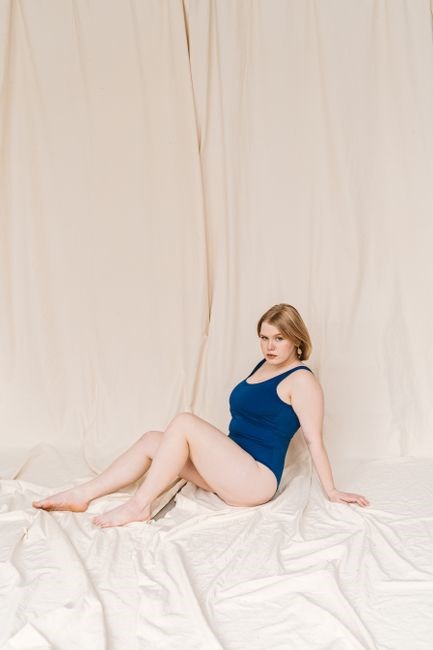
Elasticity Considerations
When selecting a one‑piece swimsuit, the elasticity of the fabric directly impacts comfort, durability, and fit. A high‑elastic blend—typically 20–30 % Lycra—provides a snug, body‑contouring feel that recovers quickly after stretching, preventing sagging or distortion after repeated use. Lower‑elastic fabrics, such as pure cotton or non‑stretch neoprene, may offer a more rigid silhouette but can compromise comfort, especially for larger bust or waist measurements. The elasticity also influences how the garment behaves in water; a well‑elastic material resists water absorption and maintains shape, while a less elastic fabric can become misshapen, leading to uneven support. Additionally, the placement of elastic bands—at the waist, neckline, and armholes—must be balanced; too much tension can cause discomfort, whereas insufficient tension may result in a loose fit that loses its intended shape. For active wear, a higher stretch ratio—e.g., 1.5:1 or greater— is advisable, whereas casual beachwear can tolerate a slightly lower stretch ratio (1.2:1). Finally, manufacturers often incorporate reinforced panels or double‑layer stitching in high‑stress areas to counteract the natural tendency of elastic fibers to weaken over time, ensuring long‑term performance and a consistently flattering fit. Premium blends with Lycra retain elasticity after washes, while lower‑grade fabrics may lose stretch after 50–70 cycles. Inspect seam construction—flat‑lock stitches reduce bulk prevent elastic—ensuring comfort during wear. Check care instructions; washing or drying temperatures degrade fibers, leading to loss of fit!